
We just can’t get enough around here of Thomas Paul’s fresh, snappy modern prints from Duralee. Thomas Paul fabrics are reasonably priced prints with a fresh perspective – perfect for our Pillowfolly throw pillow collection. They’ve given our shop a needed lift, and they are clean and simple enough to mix well into traditional rooms. That’s one of my complaints about a lot of modern design – the elements are great looking on their own, but those of us who don’t live in a minimalist loft or Neutra house in L.A. can’t easily use them. Thomas Paul has hit just the right note with a collection of fabrics that just about anyone can take home; a bit of modern punch for the classic American home. (The birds are just darned cute too).
Shop Online: Thomas Paul Pillows by PillowFolly
Renovating Your Home Now for Added Value Later
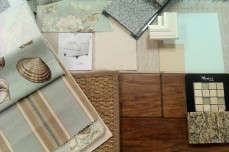
Design Board for Home Renovation
The current slow real estate market may have some homeowners feeling trapped in their current property, and others looking to purchase finding their buying power diminished. How can we enjoy the home we live in when it is not our dream home? Tackle those small and medium sized renovation projects while the market is slow, and you can enjoy your home for the next few years while selling it may not be a possibility. And when it is time to sell, you’ll have an updated, freshly renovated home.
More storage, more light, bigger family areas and gourmet kitchens are the most popular requests for homes today. More square footage, hardwood floors and large rooms make vintage homes prime candidates for updating – they can be a bargain even after the cost of renovations are factored in. Better prices make an older home an appealing prospect for renovation, but how do we take a home built 40 or 50 years ago and bring it into the modern age? Here are some of my favorite design ideas:
- Lighten and brighten- add skylights or solar tubes if light is lacking, or change a ho-hum window to a patio door.
- Paint! Most paint over seven years old is faded or dirty enough to be repainted. Choose up to date, upbeat colors. For neutrals, stay away from off-whites with a yellow tint as they look dingy more quickly – choose a cool gray-white or putty tone with fresh bright white trim.
- Paint ceilings – use ceiling white paint for a clean, fresh look, or paint them sky blue for an airy cottage feeling. Avoid dark colors on the ceiling as they have a heavy look.
- Replace carpet or vinyl with an upgraded floor – carpet is worn out at the 10 year mark, and vinyl is out of style. Go for one of the durable wood laminates or tile and never replace flooring again. Wide plank looks and larger tiles are the current trend and make spaces look larger.
- Remove outdated architectural details, such as built-in room dividers, spindle screens, half walls and interior windows. The less divided a space is, the more modern it will seem.
- Change interior door hardware – even the base-priced brand doorknobs at the local store will look much better than those worn out, discolored, antique brass doorknobs, and they are easy to install yourself.
- Take down old window treatments and replace with light-admitting styles; get rid of those cheap-looking mini blinds. For privacy facing the street, wide slat blinds have become very affordable, and you can still add draperies and valances over them for decoration. Simple long panels hung off the glass and sheers are fashionable now.
- To renovate a kitchen without starting over, replace countertops and appliances and add more lighting – a large fluorescent unit in the center is inexpensive, and you can also add pot lights if budget permits. Cabinets can be refaced yourself by ordering replacement doors in a current style. Having the new doors and old cabinet frames professionally spray painted can make your kitchen look brand new. Think about replacing an island with a big table, or cutting out the bar overhang for more space if you never sit there. Continue Reading »
Why you should support your local shops.
It’s always a relief when you go into a local store and find the perfect item that you’ve been looking for. Next you turn over the price tag and see a price you wish was lower. What’s the first thought that comes to mind these days? I wonder if I can find this online for less? Typically the answer is Yes! I admit it is exciting to find a deal, but what kind of impact is this having on the stores that maintain a showroom full of products. What’s happening is that these stores are losing sales, cutting back inventory and they are closing.
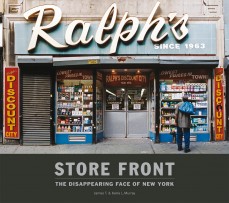
What if brick & mortar showrooms no longer existed? How would you see a product in person? How would you know what the quality, scale, color or texture was like? All local stores depend on sales from the products they offer to pay the overhead of maintaining a showroom. They cannot survive if customers use their resources to make a buying decision and then go online to buy the same product for less. Isn’t there value in being able to physically see a product and be educated about it before making a purchase? Are we really that in love with shopping online and at these huge Big Box stores that take 1 hour just to get through?
Who suffers if small local stores close their doors? The answer is the customer and the community will suffer. As a consumer you will no longer have a multitude of small businesses to shop from. Big Box stores carry a limited selection and it’s hard to find something unique or made in America at those types of stores. Independent shops select products based, not on a national sales plan, but on their own interests and the needs of their local customers, which guarantees a much broader range of product choices and quality.
When you purchase from a locally owned business the benefits are tremendous to your local community. The following are the positive affects small businesses have in their community:
- Locally owned businesses create more jobs locally and, in some sectors, provide better wages and benefits than chains do.
- Revenue goes back into the local economy, enriching the whole community and builds a stronger local economy.
- Communities that preserve their one-of-a-kind businesses and distinctive character have an economic advantage.
- Local ownership ensures that important decisions are made locally by people who live in the community and who will feel the impacts of those decisions.
- Ensuring Choice and Diversity in products and services offered. Even though a single local shop may have a smaller selection than a big chain outlet, a multiplicity of independent retailers creates great diversity.
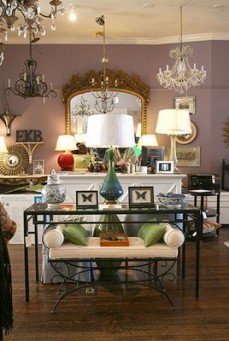
The other great part about spending your dollars at smaller, independent stores it that you will more likely be buying products that are made in America. If you take a look at products in the Big Box stores or online, 9 times out of 10 they are made in other countries. Why not purchase items that are made here in the States, especially since our economy needs a boost. You may end up spending 10-20% more, but we’ve also found that products made in the USA are better quality, which means you won’t be replacing them as soon. This will save you money in the long run.
There are some practical reasons to stay away from companies that aren’t local too. First of all, what happens when you order a product and it isn’t the correct item or maybe it’s damaged? It’s frustrating to email “customer service” and not get a response. Their 800 number says to leave a message. There’s nowhere to go and no one to help resolve the issue. When you purchase an item from a local store, you have somewhere to go when a product is defective. In general, customer service is more personal and responsive with a local shop. You’re not just another order number; you’re a person living within the same community.
So what can we do? There is a new movement called the 3/50 project. Their thought is “spend $50 and save your local economy.” Basically the 3/50 project goes like this, pick 3 stores that you don’t want to see go out of business. Spend $50 per month in these stores. If you can’t afford $50, spend what you can. They project that “for every $100 spent in locally owned independent stores, $68 returns to the community through taxes, payroll and other expenditures. If you spend that in a national chain, only $43 stays here. Spend it online and nothing comes home.” If you want to read more about this movement visit www.the350project.net.
Locally owned businesses build strong communities by sustaining vibrant town centers, connecting neighbors through economic and social relationships, and contributing to local causes. Wouldn’t you rather have a local showroom as a resource for making purchasing decisions vs. looking at products on your computer screen? Don’t you want to support your own community and keep revenue where you live? The buying decision is yours, the customer.
Layla S. Altman, ASID is the co-owner of Posh Living in Surfside Beach. She can be reached at 238-0078 or by email: layla@poshsurfside.com
Copyright 2011 by Layla S. Altman. May not be reproduced without permission.